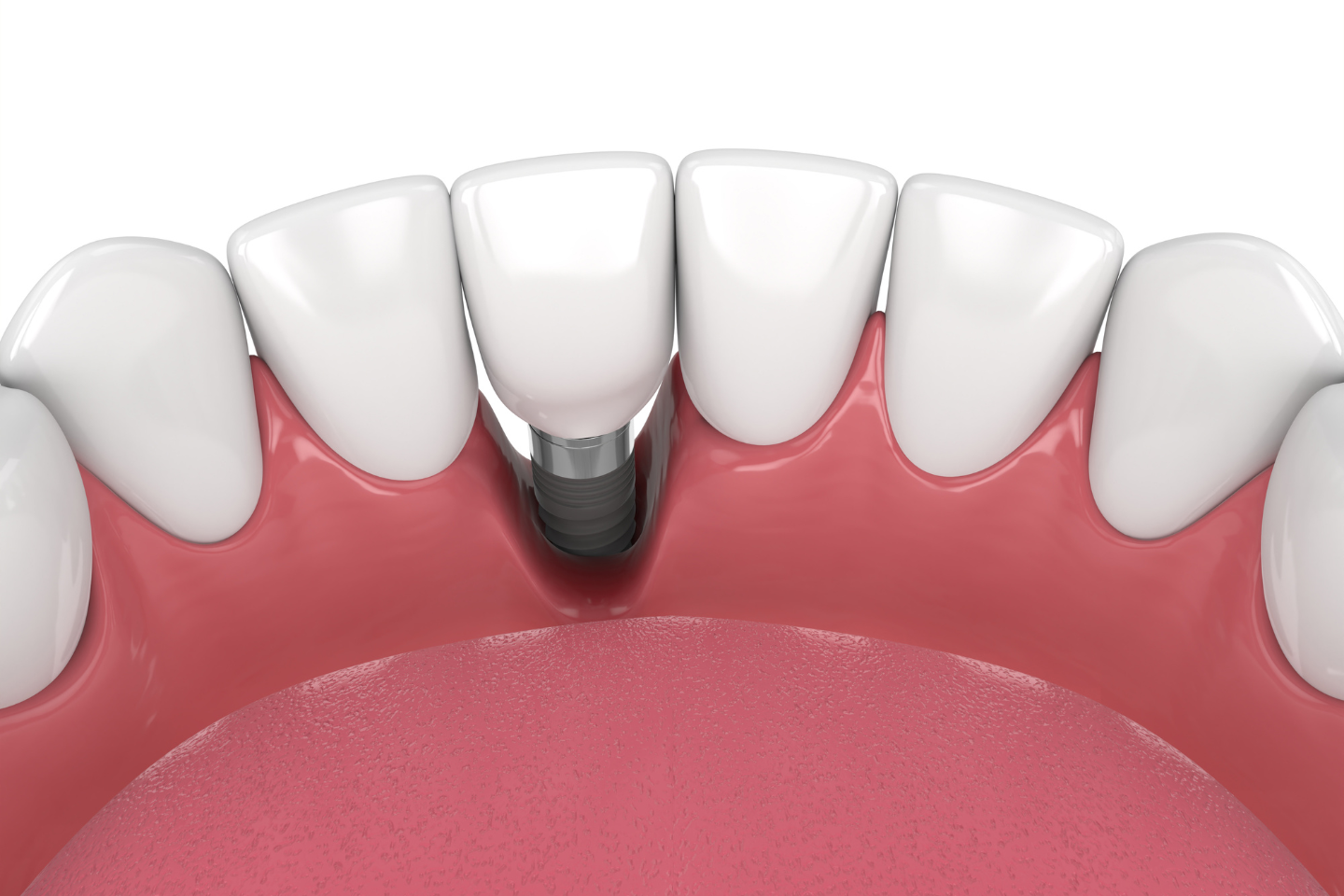
When you are looking into options to replace a missing tooth, you are bound to read through a lot of clinical terms and treatment steps. One phrase that frequently causes a bit of worry or hesitation for patients is bone grafting. Many people automatically assume that before they can even think about getting a dental implant, they will have to go through an extra, complicated surgical stage to rebuild their jawbone.
The straightforward answer is that bone grafting is not always required for dental implants. A significant number of patients have enough healthy, thick bone to support a new tooth right from their very first clinical appointment. Whether or not you need this preparatory step depends entirely on your personal medical history, the current structural state of your jaw, and how many months or years have passed since you lost the original tooth. Understanding how your bone naturally heals and why this step can often be bypassed can help you feel much more relaxed as you explore your choices for long term tooth restoration.
Why Do Some Patients Need a Bone Graft?
To understand why this preparatory step is sometimes necessary, it is helpful to look at how your teeth and jawbone interact beneath the gumline. Your jawbone is a living, changing tissue that relies on constant activity to stay strong and healthy. Every time you bite down or chew your food, your natural tooth root sends tiny physical vibrations down into the surrounding bone structure. These movements act as a signal to your body that the bone is actively being used, prompting it to continuously supply essential nutrients and grow fresh bone cells to keep the area dense.
When a permanent tooth is lost because of deep decay, an injury, or gum problems, that section of the jawbone loses its primary purpose. Without the daily stimulation from a natural root, your body begins to naturally absorb the unused bone minerals back into your system. This process is known in clinical terms as bone resorption.
During the first year alone after a tooth extraction, the surrounding jaw can lose a noticeable amount of its original width and height. If you live with missing teeth for several years, or if you wear a loose traditional denture that rubs against the surface, the bone can slowly thin out over time. If the jaw becomes too narrow or shallow, it will not have enough physical volume to hold a titanium implant post safely, which is why an extra layer of bone material may need to be added first.
The clinical drawing shown above demonstrates the different bone conditions that a dental team looks for during your assessment. On the left, the implant post is completely surrounded by deep, healthy bone, allowing natural osseointegration to take place smoothly. The middle example reveals a situation where the bone has thinned out on the sides, requiring a small bone graft to cover the post securely. The example on the right shows a sinus lift, which is a specific type of graft used in the upper jaw when the bone layer beneath the hollow sinus cavity is too thin to hold an implant safely.
When is a Bone Graft Not Necessary?
Many individuals are pleased to find out during their initial evaluation that their mouth is perfectly ready for treatment without any extra surgical steps. There are several clear reasons why a bone graft might be completely bypassed in your case.
Immediate Implant Placement After Extraction
If you have a tooth that needs to be taken out because of a deep fracture or an old root canal failure, but the underlying bone shield is still perfectly solid and free from infection, you might be a candidate for immediate placement. This is a method where the dentist removes the compromised tooth and places the titanium post directly into the empty socket during the very same visit Where that is possible it removes a stage from your overall implant timeline.. Because the bone has not had any time to shrink or resorb, you can completely skip the waiting phase and save yourself a second surgical appointment.
Inherited Structural Density
Everyone has a unique baseline anatomy and bone thickness. Some people naturally possess very dense, wide jawbones that hold their shape remarkably well, even decades after a tooth has been lost. This natural strength is particularly common in the lower jaw, which is built from dense, compact bone designed to withstand heavy chewing forces. If your diagnostic scans show that your jaw has retained its original dimensions, the implant post can be placed straight into the area without any extra preparation.
Restoring Smaller Front Teeth
The position of the tooth being replaced plays a big role in deciding if you need a graft. Your front teeth have much smaller roots and experience lighter physical pressure during everyday meals compared to your large back molars. If the bone contour around a missing front tooth has remained relatively flat and stable, the physical volume needed to support the smaller post is much lower, often removing the need for any complex bone work.
Alternative Techniques That Avoid Traditional Grafting
Modern clinical approaches have introduced practical ways to place stable restorations without always relying on traditional bone grafting, even in cases where the bone is a bit shallow.
Tilting the Implant Angle
If a patient has an area of the jaw with limited bone depth, a clinician can sometimes position the implant post at a precise angle rather than placing it straight down. By tilting the post slightly, the dentist can bypass the shallow area and anchor the restoration into denser sections of natural bone nearby. This technique is often used to avoid sensitive structures like local nerves or the sinus floor, providing great stability without the need for an extra bone graft.
Using Shorter and Wider Posts
In the early days of implant dentistry, posts were typically quite long, which meant you needed a deep wall of natural bone to hold them. Today, manufacturers create shorter, wider implant options that distribute biting forces effectively across a shallower space. If your 3D digital images reveal that you have plenty of bone width but a limited amount of height, a shorter post can often be used safely, helping you avoid a complex sinus lift.
What to Expect During the Assessment Phase
The only definitive way to find out if your mouth requires a bone graft is to look beneath the surface of your gums using modern diagnostic tools. Every mouth looks different from the outside, so an internal look is necessary to plan a safe treatment path.
If you are living in the local area and want to explore replacing a missing tooth, finding a practice close to home makes the multi stage process much more convenient. For residents looking across the home counties, visiting an independent Dentist in New Milton for a thorough oral health check is a great first step.
At a dedicated community facility like The Ackerman Clinic, the team will use a 3D cone-beam computed tomography (CBCT) scan to evaluate your jaw structure accurately. This advanced scan creates a clear three-dimensional model of your mouth on a computer screen, allowing the clinician to measure your bone width and height to the exact millimetre. They can also pinpoint the location of nerves and check the depth of your sinus cavities. This clear, factual mapping lets you know exactly what to expect from day one, ensuring your treatment plan is built on solid data.
Discuss Your Options for Tooth Restoration
Investing in your long-term oral hygiene is a wonderful way to protect your physical health, your ability to enjoy nutritious meals, and your everyday comfort. Whether your jawbone is naturally ready for an immediate placement or simply requires a bit of preparatory support to create a solid foundation, modern restorative options are designed to match your individual needs safely.
To discover what treatment path is right for your smile, feel free to reach out to our friendly local team today. We provide clear, non-promotional oral assessments and practical guidance in a comfortable, community environment. You can schedule a personal appointment to ask your questions and map out a balanced, step-by-step path back to a complete smile.
Related reading: Dental Implants.