For many people across Dorset and Hampshire, dealing with missing teeth or loose dentures is a daily challenge that impacts chewing comfortably and smiling without hesitation. While dental implants are widely recognised as a durable, long-term option for tooth replacement, navigating the financial aspect can feel daunting when working with a restricted budget.
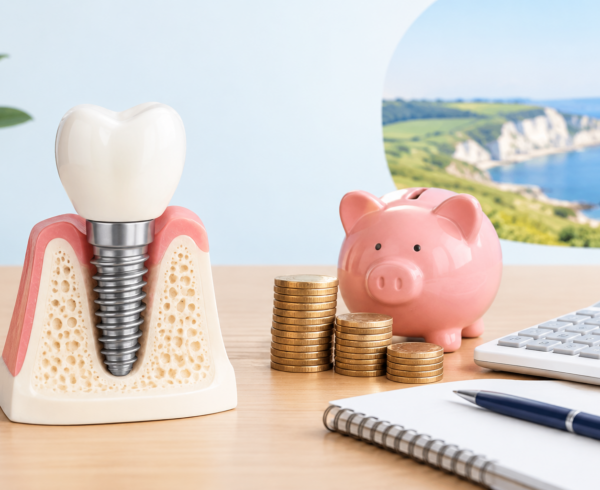
Understanding the components that contribute to the final price, exploring structured payment options, and viewing the treatment as an investment in oral health can help clarify the path forward.
Demystifying the cost of dental implants
The total price of dental implant treatment reflects the multi-stage nature of the procedure, the precise technology required, and the high-grade materials used to ensure the replacement tooth integrates safely with the body.
What is included in the treatment price?
A standard dental implant process typically involves several key stages:
- Initial assessments: A comprehensive clinical examination is necessary to evaluate the condition of the teeth, gums, and jawbone. This often includes diagnostic imagery like X-rays or digital CBCT scans to map out the anatomy of the mouth safely.
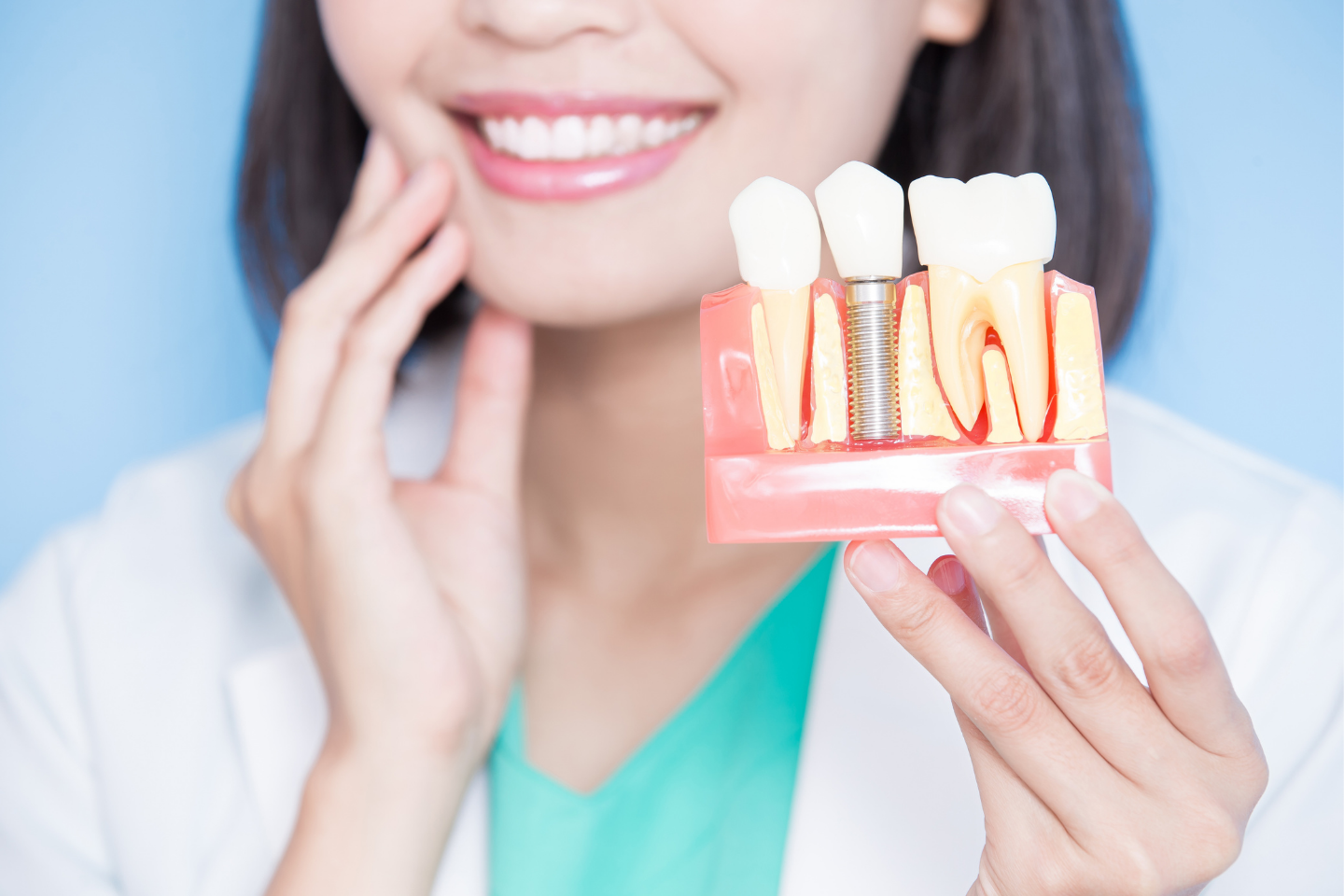
- The implant fixture: This is a small titanium screw that acts as an artificial tooth root. It is surgically placed into the jawbone, where it gradually fuses with the bone over a period of months.
- The abutment: A small connector piece that attaches to the implant fixture once healing is complete.
- The final restoration: A custom-made dental crown, bridge, or full arch bridge that attaches to the abutment, designed to match the shape and shade of natural teeth.
When budgeting, it is helpful to clarify whether a quote covers the full, complete journey from initial assessment through to the final fitting, or just the surgical placement stage.
Potential additional procedures
Depending on the individual condition of your mouth, extra steps may be required before the implant can be placed:
- Tooth extractions: If a damaged or decayed tooth needs to be removed before an implant can occupy the space, this will carry a separate fee.
- Bone grafting or sinus lifts: If a tooth has been missing for a long time, the jawbone may have naturally shrunk. A bone graft or sinus lift introduces natural or synthetic bone material to create a stable foundation for the implant.
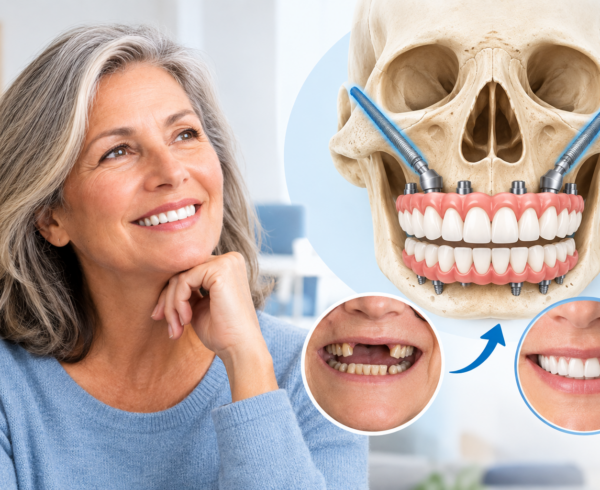
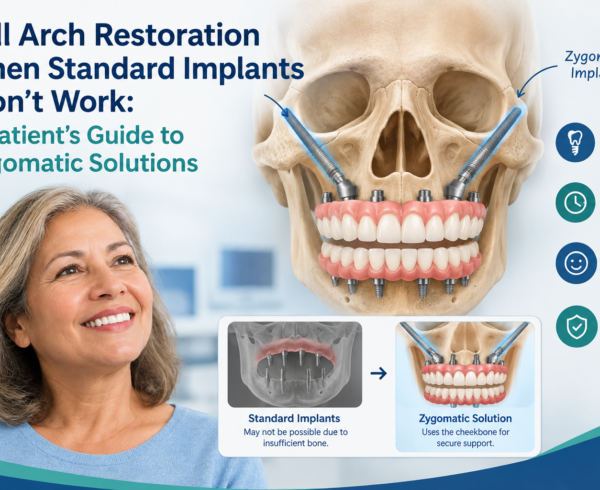
- Advanced implant alternatives: For individuals with substantial bone loss in the upper jaw who prefer to avoid bone grafting, alternative approaches like zygomatic implants (which anchor into the cheekbone) can be considered, though these require specific clinical circumstances and different budgeting considerations.
Practical finance solutions for regional patients
When looking for a dentist in New Milton or the wider Hampshire and Dorset areas, asking about flexible payment options can help spread the cost into manageable monthly amounts rather than paying a large single lump sum.
Third-party dental finance plans
Many modern dental practices partner with regulated credit providers to offer structured repayment plans. These typically allow patients to spread the cost of treatments over terms ranging from 12 to 60 months.
Some clinics offer 0% interest options for shorter terms (such as 12 months), meaning the total amount paid is exactly the same as the cash price, just broken down into smaller monthly chunks. For longer durations, interest-bearing options are available, which incur an annual percentage rate (APR) but reduce the monthly outgoings further to suit tighter monthly budgets.
Staged payments and healthcare insurance
Because implant treatment naturally takes place over several months to allow for healing and bone integration, some dental practices allow patients to pay in instalments as each stage of the procedure is reached. For instance, a portion may be paid at the initial consultation and scan stage, another during the implant placement surgery, and the balance when the final crown is fitted.
Additionally, while standard NHS dentistry rarely covers dental implants except in specific medical necessity cases, some private dental health insurance policies or cash plans offer partial contributions toward private restorative work. It is always advisable to check the terms and conditions of your specific policy before starting treatment.
Long-term value versus short-term cost
When working within a strict budget, it is natural to compare dental implants with cheaper alternatives like removable partial dentures or traditional dental bridges. However, looking at the long-term cost per year can provide a different perspective on value.
Implants versus traditional alternatives
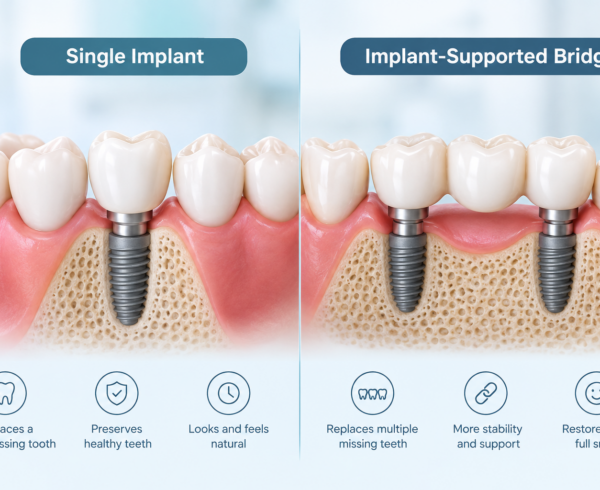
- Longevity: Traditional bridges often require reshaping adjacent healthy teeth and may need replacing after 10 to 15 years. Dentures can become loose over time as the jaw shape naturally alters, requiring periodic adjustments or replacements. In contrast, dental implants are designed to be a permanent addition to the mouth, often lasting for decades with proper care.
- Bone preservation: Implants are the only tooth replacement method that stimulates the underlying jawbone. When a tooth root is missing, the bone naturally resorbs over time. By replacing the root, an implant helps maintain the natural structure of the jaw and face.
- Functionality: Implants provide a secure bite force similar to natural teeth, allowing individuals to eat a varied diet without worrying about appliances slipping or causing discomfort.
Finding clear pricing locally
For residents looking for structured options close to home, visiting a dedicated local facility can help clarify exact costs based on individual needs. The Ackerman Clinic, located in New Milton, Hampshire, provides detailed fee guides and consultations to help patients understand their options clearly.
During an initial visit, a clinician can provide a transparent breakdown of costs, detail the available payment pathways, and help outline a clear plan tailored to both your oral health and your budget constraints.
Dental implant FAQs
Can I get dental implants on the NHS if I am on a low income?
NHS provision for dental implants is highly restricted and generally reserved for individuals who have suffered severe facial trauma, oral cancer, or who possess specific congenital medical conditions. A low income or fixed budget alone does not qualify a patient for NHS implant treatment, meaning most individuals choose to pursue treatment through private dental clinics.
How much should I expect to budget for a single implant?
In the UK, a complete single dental implant restoration (including the implant, abutment, and crown) typically starts from approximately £2,000 to £3,500, depending on the individual case complexity and whether preparatory treatments like bone grafting are needed. Most clinics provide a full breakdown after an initial assessment and CBCT scan.
Are finance plans available to everyone?
Finance options and credit agreements are subject to status, age, and a standard credit check. Applicants generally need to be UK residents and meet the specific criteria set out by the financial provider partnering with the dental practice.
How long does the entire implant process take from start to finish?
For a standard case, the journey usually spans between three and six months. This time is largely spent waiting for the bone to grow securely around the titanium post. During this period, temporary options can often be worn so that you are never left without a visible tooth.
What maintenance costs should I budget for after treatment?
To ensure the long-term health of an implant, regular dental check-ups and professional hygiene appointments are essential. You should budget for visiting a dental hygienist two to three times a year to maintain the health of the gums surrounding the implant, alongside maintaining a thorough daily brushing and flossing routine at home.
Want to know the full picture? See our dental implants cost breakdown or Fee Guide for finance options.
Related reading: Dental Implants, Is Bone Grafting Always Required for Dental Implants?, and Zygomatic Implants.