Gum disease is one of those things you can live with for years before doing anything about it. A bit of bleeding when you brush. Some sensitivity. Maybe a dentist mentioning “pockets” at a check-up and you nodding along without really taking it in. At some point, though, a decision needs to be made about how to treat it properly, and that’s where things get confusing. Traditional deep cleaning? Surgery? Laser therapy? Knowing which route suits your situation isn’t always straightforward. It shouldn’t be treated as a one-size-fits-all choice either.
At The Ackerman Clinic, we spend a good amount of time talking you through your options before deciding on a treatment plan, because gum disease varies enormously from person to person. This piece is here to help you understand what periodontal laser therapy actually involves, what it might feel like, and how to think about whether it’s a suitable option for you. Not to sell you on it as something everyone should want.
Why The Decision Isn’t The Same For Everyone
Gum disease sits on a spectrum. Some people have mild inflammation (gingivitis, if you want the technical term) that responds well to a proper clean and better home care. Others have more established periodontal disease, where pockets have formed around the teeth, bone support has been affected, and bacteria are sitting somewhere a toothbrush simply can’t reach.
The right treatment depends on a few things:
- How deep the gum pockets are and how much bone loss has occurred.
- Whether previous treatments (like scale and polish or root planing) have already been tried.
- How do you personally respond to instrumentation? Some people find traditional scaling uncomfortable. Others don’t mind it at all.
- Whether you’re on medication that affects bleeding or healing.
- How much time can you commit to appointments and any recovery period.
So this is why we don’t lead with “laser treatment is right for you” as a blanket statement. It’s one option among several, and for some people it makes a lot of sense. For others, a more conventional approach is entirely appropriate.
What periodontal laser therapy actually involves
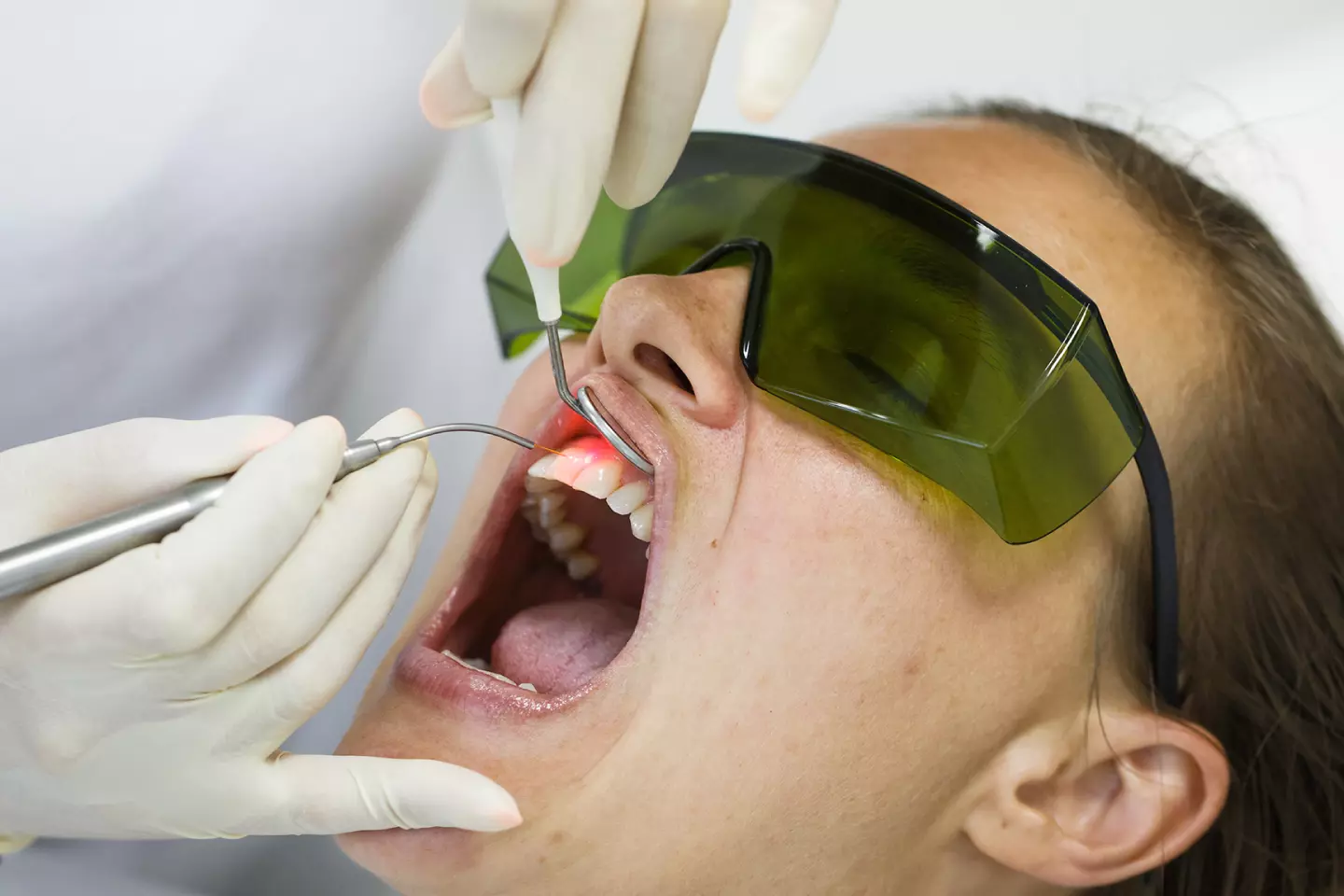
Periodontal laser therapy uses focused light energy to target and remove infected or inflamed tissue within the gum pocket, along with cutting down the bacterial load that’s driving the disease. Unlike traditional gum surgery, which typically involves cutting back the gum with a scalpel to reach the root surface and bone, laser treatment can often get to the same area in a far less invasive way.
The laser removes diseased tissue lining the pocket, and in many cases this is combined with root surface cleaning to clear tartar and bacterial deposits below the gum line. The idea is to break the infection cycle, let the gum reattach to the tooth surface where possible, and bring pocket depth down over time.
Here’s the thing, though: laser therapy is not a guaranteed cure, and it won’t reverse bone loss that’s already happened. What it can do is manage the active infection and give your gums a better shot at healing and settling down.
How this differs from traditional gum treatment
Traditional periodontal treatment for more advanced cases often involves gum flap surgery, where the gum is folded back to give direct access to the root and bone. That tends to mean stitches, a longer recovery, and sometimes more noticeable swelling afterwards.
Laser treatment doesn’t require cutting or stitching in most cases. Because it’s less invasive, you’ll often find the appointment itself and the days after it more comfortable. That said, it varies from person to person and depends on how advanced things are.
What laser gum treatment actually feels like
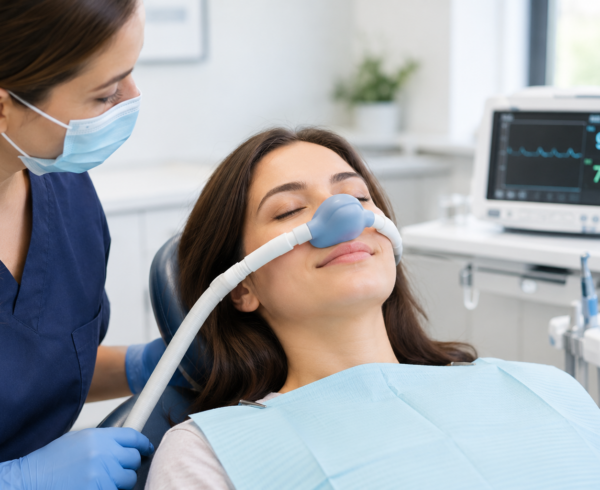
This is usually the question people care about most, and fair enough. Most patients get local anaesthetic before the procedure, so the treatment itself isn’t typically painful. You might feel some vibration or warmth in the area being treated, and there can be a faint smell as the laser interacts with tissue (some people notice it more than others).
During the appointment, you may hear the laser device itself. A soft clicking or humming sound. Nothing to worry about. The dentist will usually work through your mouth in sections rather than all at once, particularly if a few areas need treatment.
Afterwards, once the anaesthetic wears off, mild tenderness or sensitivity is common, especially to temperature, for a few days. Some swelling can occur, but it tends to be less than after traditional gum surgery. Most people are back to normal eating within a day or so. Sticking to softer foods to start with is usually the sensible move.
What to expect in the days and weeks after treatment
Recovery timelines vary depending on how much tissue was treated and how advanced things were to begin with. In general:
- The first 24 to 48 hours may bring mild discomfort, some sensitivity, and slight swelling.
- Gums often look a little different the following week as healing tissue forms.
- Follow-up appointments are usually booked to check how the pockets are responding and whether more treatment is needed.
- Your oral hygiene routine will likely need some tweaking during healing. Your dentist will go through this with you directly.
Truth is, periodontal laser therapy is rarely a single, one-off fix. For many people, it’s part of an ongoing management plan that includes regular reviews, professional cleaning, and consistent home care. Gum disease, once it reaches a certain stage, needs long-term maintenance rather than a single cure. Easier said than done, we know, but that’s the honest picture.
Weighing up whether it’s the right approach for you
If you’re trying to decide between laser treatment and more traditional periodontal care, a few practical questions can help steer the conversation with your dentist:
- How advanced is the gum disease right now, and has it actually been assessed with proper pocket measurements and X-rays?
- Have non-surgical treatments been tried already, and how did your gums respond?
- Do you have any anxiety or sensitivity concerns that make a less invasive option appealing?
- Are there time or recovery constraints that matter to you, like not being able to take time off for a longer healing period?
- Are you genuinely committed to the follow-up care needed to hold onto results, whichever treatment you choose?
None of these questions has one “correct” answer. They’re simply the sort of things worth discussing openly with whoever is treating you, so the plan reflects your actual situation and not some generic recommendation pulled off a shelf.
At The Ackerman Clinic, we assess each case individually before suggesting periodontal laser therapy or any other route. Gum health, like most things in dentistry, doesn’t respond well to assumptions.
Ready to Get Started?
If you’ve noticed bleeding gums, sensitivity, or you’ve been told before that you have some form of gum disease, it’s worth getting a proper assessment rather than guessing at what might help. Sound familiar? The team at The Ackerman Clinic, serving patients in and around New Milton, can talk you through the options, including periodontal laser therapy, and help you work out which approach actually fits your situation. Get in touch to arrange a consultation and take the first step towards understanding your gum health properly.
FAQs
Is laser gum treatment painful?
Most patients have local anaesthetic during the procedure, so pain during treatment is generally minimal. Some mild tenderness or sensitivity afterwards is common, particularly in the first day or two, but this usually settles with normal aftercare.
How many sessions of periodontal laser therapy are usually needed?
This depends entirely on how advanced the gum disease is. Some people need a single session for a localised area. Others with more widespread disease may need several appointments over weeks or months, followed by ongoing maintenance visits.
Can laser treatment reverse bone loss caused by gum disease?
No. Laser therapy targets infected soft tissue and helps manage the bacterial infection, but it can’t regenerate bone that’s already been lost. It can, however, help stabilise the condition and prevent things going further downhill when combined with good home care and regular reviews.
Is laser treatment suitable for everyone with gum disease?
Not necessarily. Suitability depends on how advanced the disease is, your general health, and whether previous treatments have been tried. A proper assessment is needed before recommending any specific approach, including laser therapy.
How long does recovery take after periodontal laser therapy?
Many people notice improvement within a few days, though full healing of the gum tissue can take several weeks. Your dentist will usually schedule a follow-up appointment to check on progress and decide whether further treatment is needed.
Does periodontal laser therapy replace the need for regular cleanings?
No. Laser treatment is generally part of a broader management plan for gum disease. Regular professional cleanings, good home care, and periodic reviews still matter for keeping your gums healthy afterwards.
Want to know if laser therapy is right for you? Learn more about periodontal laser therapy at The Ackerman Clinic.
Related reading: Gum Disease Treatment and Bleeding gums: why you should never ignore this warning sign.