Sarah had been putting off her dental appointment for nearly three years. It wasn’t that she didn’t care about her teeth. It was the thought of sitting in the chair, feeling every sensation, that kept her cancelling appointment after appointment. When a cracked molar finally forced her hand, she found herself googling “conscious sedation dentist near me” at midnight, half hoping, half doubting, that there was a way through her appointment that didn’t involve gripping the armrests for forty minutes.
Sound familiar? You’re not alone. Dental anxiety affects a huge number of adults across Hampshire, and it’s one of the main reasons people delay treatment until a small problem turns into a much bigger one. Conscious sedation gets raised as an option a lot in these situations. But understandably, you want to know whether it’s actually safe before you agree to anything. So let’s go through what it involves, how it’s managed, and what you should ask before your own procedure.
What is Conscious Sedation?
Conscious sedation is a controlled technique used to help you relax during dental treatment. Unlike general anaesthesia, you stay conscious throughout. You breathe on your own, you can answer questions, and you sit there in a calm, drowsy state where the anxiety and discomfort drop right down. Many people describe it as feeling detached from the sounds and sensations of treatment. Others say they remember almost nothing about the appointment afterwards.
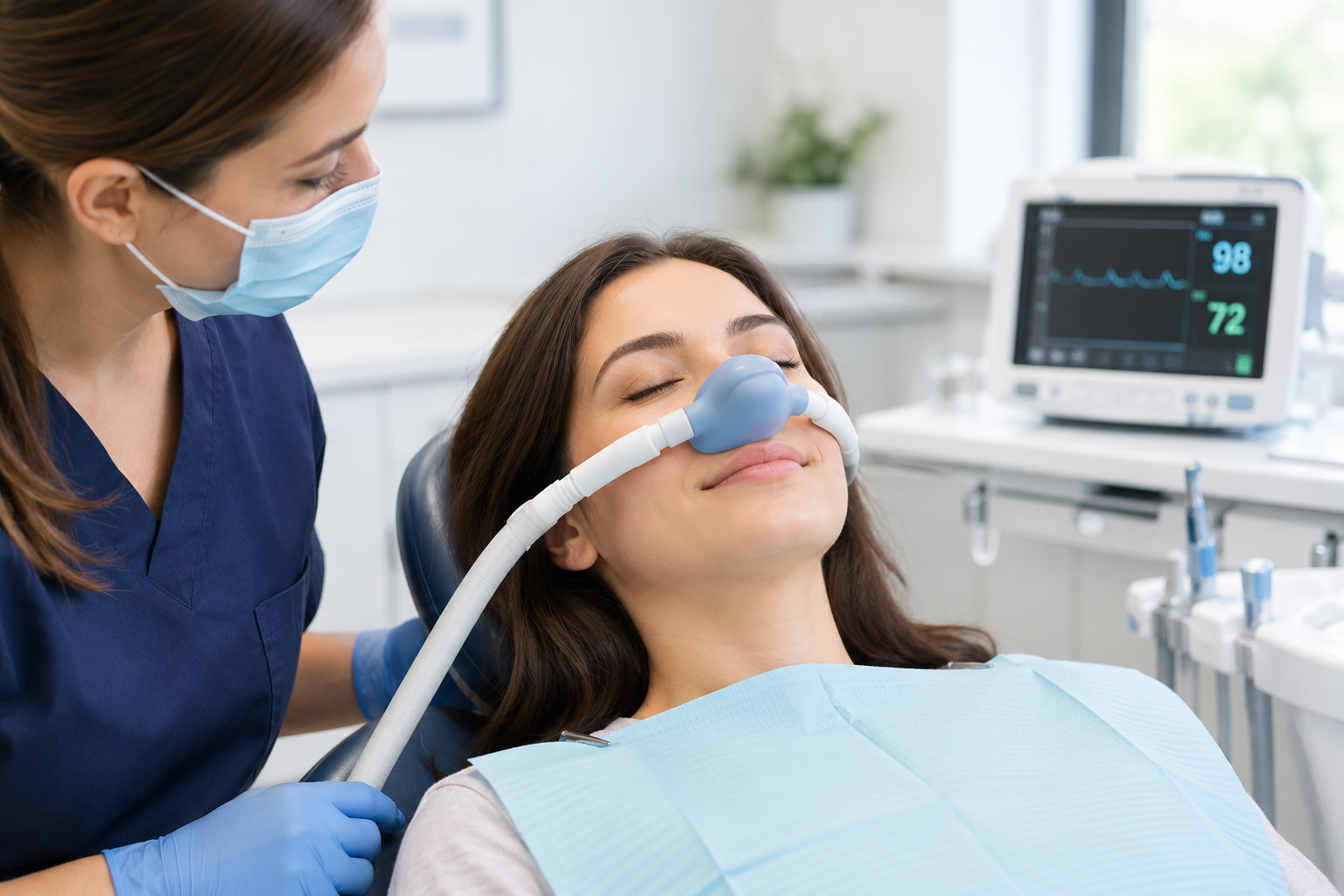
At The Ackerman Clinic, sedation is typically delivered either as inhalation sedation (sometimes called “happy air,” a mix of nitrous oxide and oxygen through a small nasal mask) or as intravenous (IV) sedation, where medication goes in through a vein in the arm or hand. Which one you get depends on you: the complexity of the procedure, and how anxious you’re feeling about the whole thing.
Why does safety depend on more than the drug itself?
Here’s the part people often overlook. The medication used in conscious sedation has a well-established safety record when used properly. But the real safety of the procedure comes down to how it’s managed on the day. That means a thorough pre-assessment of your medical history, careful dosage calculations based on your weight and health, continuous monitoring throughout the appointment, and a team who actually know what to do if something unexpected happens.
Before any sedation appointment, you should be asked detailed questions about your general health, current medications, allergies, and any previous reactions to sedation or anaesthesia. This isn’t a formality. It directly shapes your sedation plan and helps flag anyone who might need a different approach, or a referral for further assessment first.
Monitoring during the procedure
During IV sedation, especially, your vital signs (heart rate, blood pressure, oxygen saturation) get monitored the whole way through. This ongoing observation is standard practice for safe sedation, and it lets the clinical team adjust things immediately if needed. You are never left unsupervised once sedation has been given. Not for a second.
Who is conscious sedation suitable for
Conscious sedation gets used a lot for people with dental anxiety or phobia, those with a strong gag reflex, anyone facing a longer or more involved procedure, and patients with certain physical conditions that make sitting still for ages genuinely difficult. It also helps people who’ve had a rough experience at the dentist before and simply don’t want a repeat.
That said, it isn’t automatically right for everyone. Certain medical conditions, medications, or pregnancy may mean sedation needs to be avoided or adjusted. That’s exactly why the pre-assessment stage matters so much. A dentist with a special interest in sedation dentistry will take the time to talk through your history properly, rather than treating it as a box-ticking exercise.
What happens if sedation isn’t appropriate for you
If conscious sedation isn’t suitable in your case, that doesn’t mean your anxiety or discomfort gets brushed aside. There are other ways to manage a nervous patient’s experience: slower-paced appointments, clear communication throughout treatment, and behavioural techniques that genuinely help. The goal is always finding what works for your specific situation, not applying the same fix to everyone who walks through the door.
The recovery side of conscious sedation
One thing you’ll probably want to know is what happens once it’s over. With IV sedation, you won’t be able to drive yourself home, operate machinery, or make big decisions for the rest of the day. The medication can affect your coordination and judgement for several hours, even once you feel wide awake. You’ll need someone to bring you to the appointment and take you home afterwards, and ideally stick around with you for a bit.
Inhalation sedation with nitrous oxide wears off much faster, often within minutes of the mask coming off, and many people feel fine to drive themselves home shortly after. That said, this gets confirmed with you individually before you leave, not assumed.
You might feel a little groggy, a bit fuzzy on parts of the appointment, or just want to rest for the day. That’s normal recovery, not a sign something’s gone wrong. But you should always get clear aftercare instructions in writing before you leave the practice.
Questions Worth Asking Before You Agree To Sedation
It’s entirely reasonable to ask your dentist about their training and experience in sedation dentistry. What monitoring will be used during your procedure? What’s the plan if something unexpected comes up? What does your specific recovery process actually look like? A practice that’s confident in its sedation protocols should answer these clearly, without dodging or hesitating.
Ready to Get Started?
If dental anxiety has been holding you back from treatment, it might be worth having a conversation about whether conscious sedation could help. At The Ackerman Clinic in New Milton, we take the time to understand your concerns and your medical background before recommending any sedation approach, so you can make an informed decision about your own care. Patients from across Hampshire are welcome to get in touch to talk through whether sedation dentistry suits their upcoming procedure.
FAQs
Is conscious sedation the same as being put to sleep?
No. Conscious sedation keeps you awake and able to respond, though relaxed and often drowsy. General anaesthesia means being fully unconscious, a different process altogether, and not something offered for routine dental treatment.
Will I remember anything from my appointment?
This varies from person to person. Some people recall parts of the procedure. Others have little or no memory of it afterwards, particularly with IV sedation. Nitrous oxide sedation tends to leave a clearer memory of the appointment.
How long does conscious sedation take to wear off?
Inhalation sedation wears off within minutes once the mask is removed. IV sedation takes longer, and its effects on coordination and judgement can last several hours. That’s exactly why arranging transport home matters so much.
Can anyone have conscious sedation?
Most healthy adults can be considered for conscious sedation, but certain medical conditions, medications, or circumstances such as pregnancy may mean it isn’t appropriate. A full pre-assessment determines suitability on an individual basis, every time.
Is conscious sedation only used for anxious patients?
Anxiety is a common reason people request sedation, but it’s also used for longer procedures, patients with a strong gag reflex, or anyone who finds it physically difficult to sit still for extended treatment.
Curious whether conscious sedation is right for you? Learn more about our sedation options or get in touch to discuss your treatment.