Missing teeth can feel like more than just a gap in your mouth. It changes how you talk, what you can eat, and how often you feel like smiling for a photo. When looking for a long-term fix, dental implants are usually the first thing a dentist in New Milton will suggest. But before starting, the main question patients ask at The Ackerman Clinic is: “How long do these actually last?”
Investing in your smile is a big choice. You want to be sure the time and money you spend now will be worth it for years to come. The good news is that with proper care and professional help, these are built to be a lifelong fix.
Understanding How Dental Implants Work
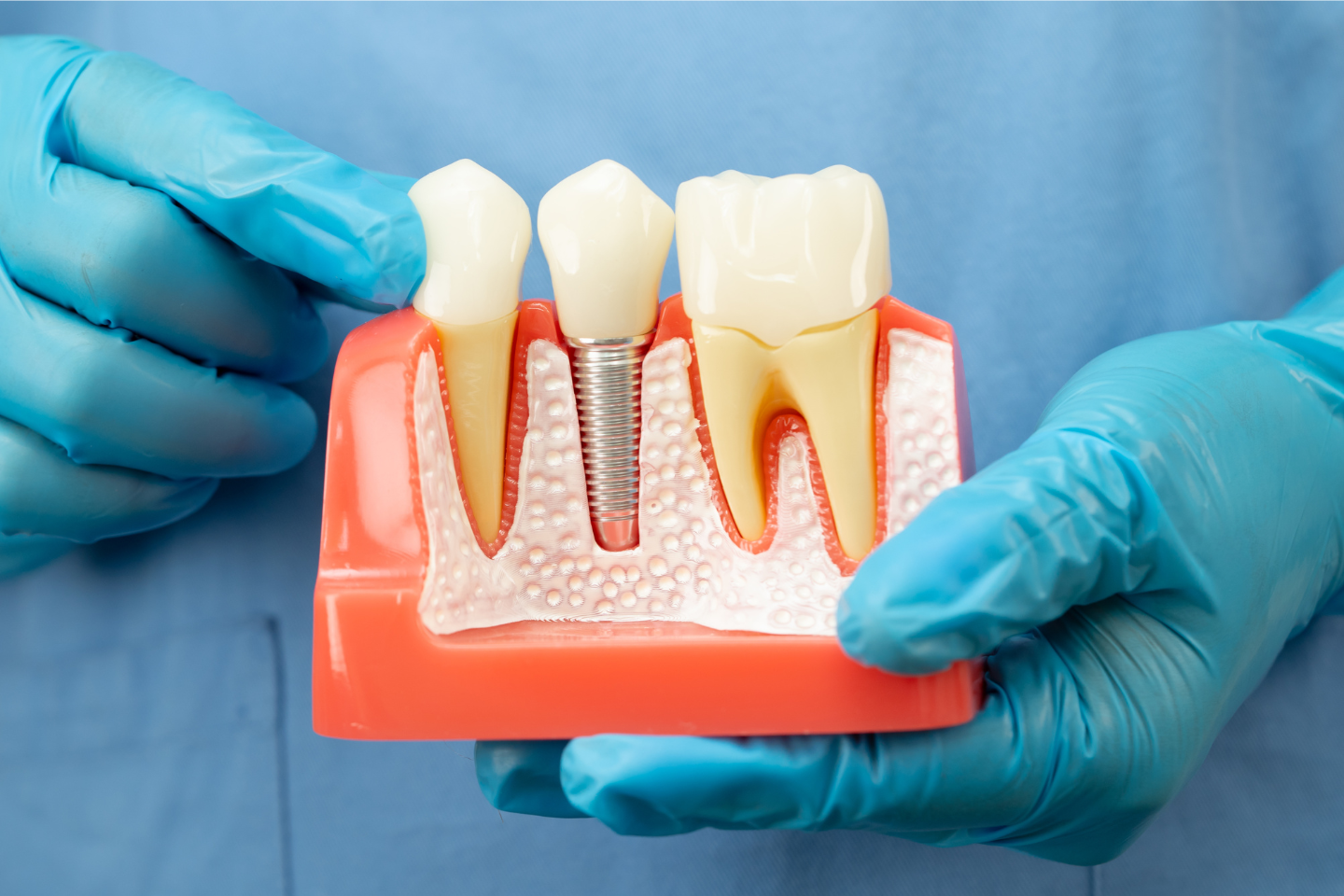
To understand how long they last, it helps to know what is happening under your gums. A dental implant isn’t just one piece. It is a system made of three parts, and each has its own “lifespan.”
The Implant Post (The Screw)
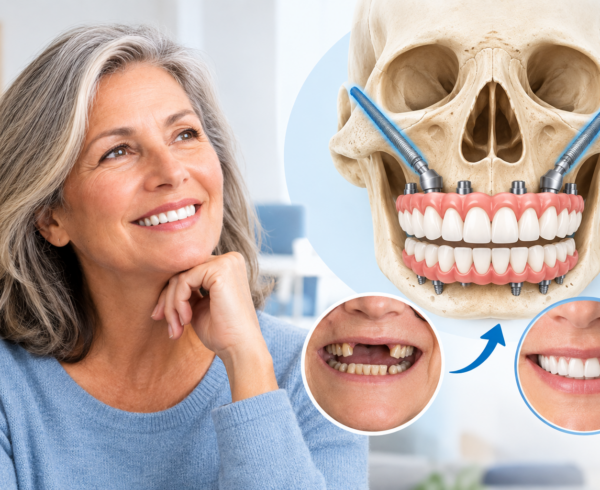
This part acts like the root of your new tooth. It is usually made of titanium or ceramic and is placed right into the jawbone. Over time, your bone grows around the post, locking it in place. Because it is protected by your bone and gums, it is meant to last 25 years or even the rest of your life.
The Abutment
This is a small connector piece that sits on top of the post. It acts as a base for your new tooth to clip onto. Like the post, this is very tough and rarely needs to be swapped out unless there is a mechanical problem.
The Crown (The Visible Tooth)
The crown is the ceramic or porcelain tooth that people see. Since this part does all the hard work—like chewing and grinding—it wears down just like a real tooth. You can usually expect a crown to last between 10 and 15 years before it might need to be replaced.
Things That Affect How Long Your Implants Last
While dental implants are very strong, they aren’t “indestructible.” A few lifestyle choices and health factors play a role in whether they stay healthy for five years or fifty.
- Cleaning Your Teeth at Home: The biggest factor is how you treat them. Even though the implant can’t get a cavity, the gums around it can still get infected. Brushing twice a day and flossing around the implant is vital to keep it for a long time.
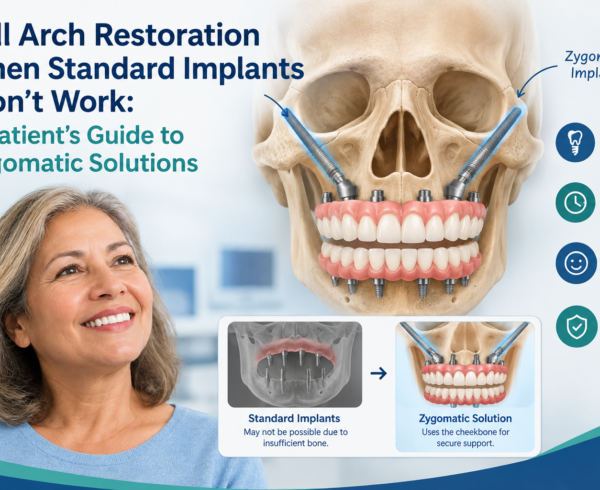
- Bone Health: For an implant to work, it needs a strong base. If the jawbone is too thin, the implant might not stay steady. At The Ackerman Clinic, we check your bone health before we start. Sometimes, we might suggest a bone graft to make the area stronger.
- Smoking: Smoking is a major hurdle for long-term success. Nicotine slows down blood flow to the gums, which makes it harder for the bone to heal around the post. Your dentist in New Milton will likely ask you to quit or cut down to protect your new teeth.
- General Health: Issues like diabetes or certain health conditions can change how your body heals. It is important to tell the team at The Ackerman Clinic your full medical history so we can plan the right treatment for you.
Why Professional Care Matters
You wouldn’t buy a nice car and never take it for a service. Your teeth are the same. Regular checkups let us catch small issues before they turn into big problems. During a visit, we check that the post is steady and the gums are healthy. This is the “secret” for patients who still have their original implants 30 years later.
Why Pick Implants Over Other Options?
When looking at things like dentures or bridges, implants usually win on durability.
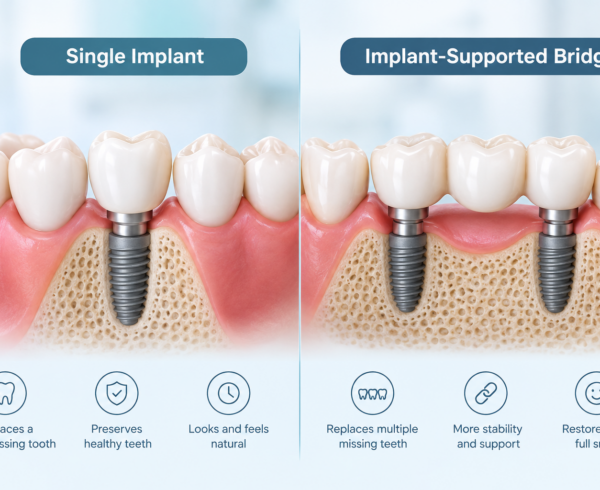
- Bridges often require filing down the healthy teeth next to the gap and usually need to be replaced every 7 to 10 years.
- Dentures can slip, cause bone loss over time, and often need to be refitted as your mouth changes shape.
In contrast, an implant keeps the jawbone active, which stops that “sunken” look that happens when you lose teeth. By choosing this path at The Ackerman Clinic, you are picking a solution that works with your body.
Taking the Next Step
If you are tired of hiding your smile or dealing with loose dentures, it might be time for a change. Dental implants are an investment in your health and your confidence. At The Ackerman Clinic, we provide a calm space where your comfort comes first.
Our team will help you through every step, from the first scans to the final fitting. We know every mouth is different, and we take the time to listen to your worries.
Would you like to book a chat with a dentist in New Milton?
If you are ready to see how we can help, we would love to meet you. Whether you have one missing tooth or several, implants could be the long-term fix you need. Get in touch with our team today to set up your first appointment.
FAQ (Frequently Ask Questions)
1. How long do dental implants typically last?
Dental implants are designed to be a long‑term solution and often last 20+ years or longer, with many lasting a lifetime when cared for properly. The implant post can be permanent, but the crown on top may need replacement after about 10–15 years due to normal wear and tear.
2. Do dental implants ever fail?
Yes, implants can fail, especially if osseointegration (bone bonding) doesn’t happen properly or if gum disease (peri‑implantitis) develops around the implant. Regular check‑ups help catch problems early.
3. What factors affect how long implants last?
Implant longevity depends on oral hygiene, bone quality, smoking habits, overall health, and teeth grinding. Good care increases the chances of implants lasting decades.
4. Can the implant crown wear out before the implant itself?
Yes — the metal implant post in the bone can last for many years, but the crown or visible tooth restoration may wear down and require replacement due to chewing forces and normal wear.
5. How can I make my dental implants last longer?
Maintain excellent oral hygiene, visit your dentist regularly, avoid smoking, and manage habits like teeth grinding. These can help extend implant life and keep surrounding gums healthy.
Ready to find out more? Explore our dental implants treatment or see dental implants cost.