Dealing with gum disease can feel like a tiring, repetitive battle. Many people find themselves in a frustrating cycle where they notice bleeding during brushing, visit their dental team for a thorough cleaning, see a temporary improvement, and then find the familiar swelling and discomfort returning a few months later.
If you are experiencing this recurring issue, it is not uncommon. Understanding why gum disease is so resilient and exploring modern approaches like dental laser therapy can offer a clearer perspective on managing your oral health for the long term.
The frustrating cycle of chronic gum disease
To understand why gum disease (periodontitis) often returns, it helps to look at what is happening beneath the surface of your gums. Gum disease is fundamentally an inflammatory response to a bacterial infection.
The role of biofilm and dental plaque
Every day, a sticky film of bacteria called plaque forms on our teeth. If it is not completely removed by daily brushing and flossing, it hardens into tartar (calculus). This rough substance provides a perfect surface for more bacteria to attach to, creating an organised community of microorganisms known as a biofilm.
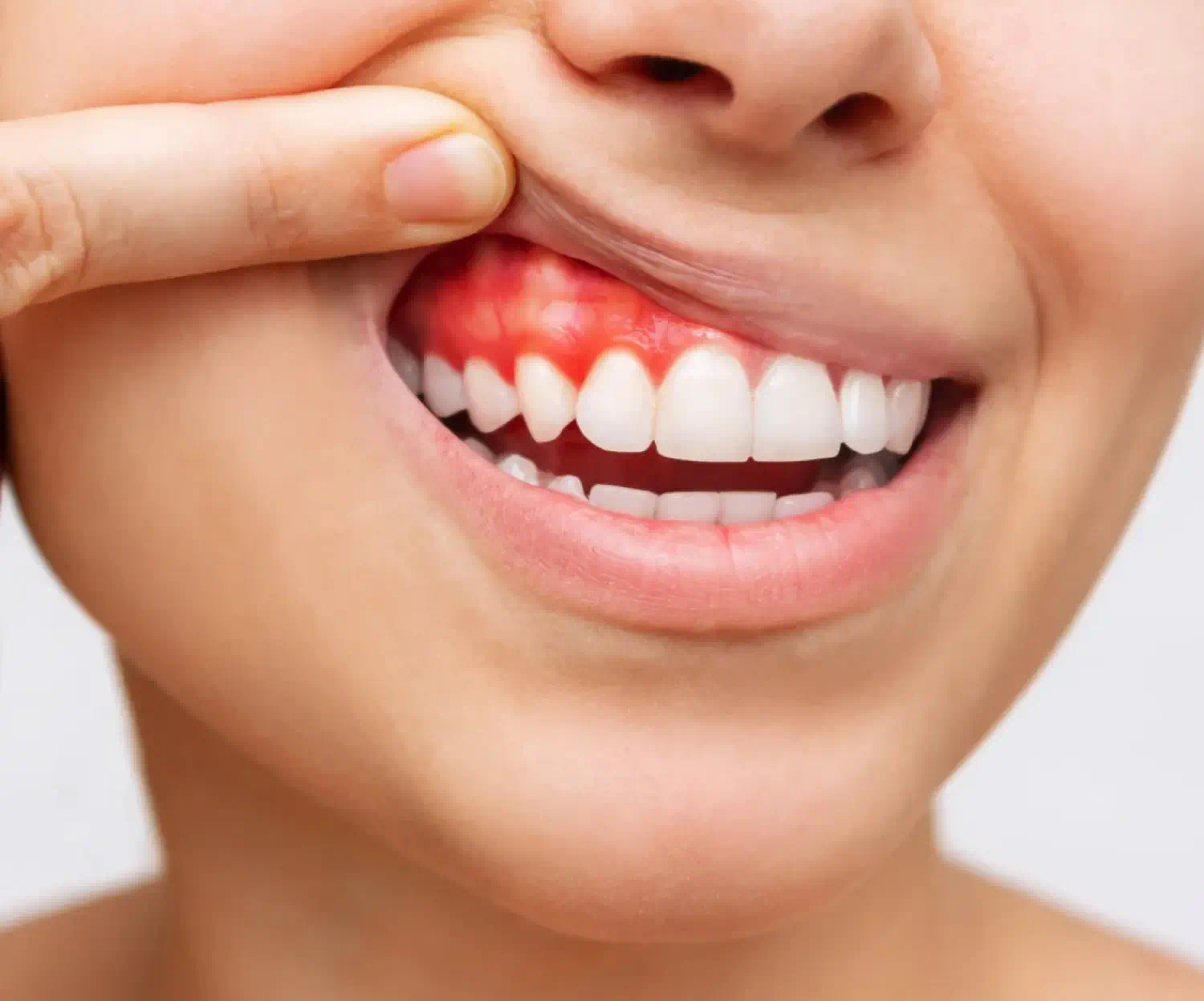
As the biofilm grows, it begins to spread beneath the visible gum line. The body’s immune system tries to fight off these bacteria, which leads to the characteristic swelling, redness, and bleeding of the gums.
Deep periodontal pockets: The hiding place
When inflammation persists, the gums begin to pull away from the teeth, creating small spaces known as periodontal pockets.
- In healthy mouth conditions, the pocket depth is typically between 1 and 3 millimetres.
- As gum disease progresses, these pockets can deepen to 4 millimetres or more.
Once a pocket reaches a certain depth, standard toothbrushes, floss, and mouthwashes simply cannot reach the bottom. This creates a protected, low-oxygen environment where harmful bacteria thrive undisturbed. Traditional scaling and root planing treatments manually scrape away the plaque and tartar from these pockets, but if even a small microscopic cluster of bacteria remains, the biofilm can rebuild itself, causing the disease to return.
Why traditional cleaning methods sometimes fall short
Traditional deep cleanings are essential and form the foundation of periodontal care. However, relying solely on mechanical hand instruments and ultrasonic scalers can sometimes leave microscopic gaps.
Limitations of mechanical instruments
Metal dental instruments require a direct line of sight or tactile feedback from the clinician. Because periodontal pockets are narrow, curved, and dark, it can be physically challenging to remove every single bacterial cell from the irregular root surfaces of the teeth.
Furthermore, aggressive mechanical scraping can sometimes remove a thin layer of the tooth’s root surface, which can lead to temporary tooth sensitivity. If the root surface remains slightly rough or if bacteria manage to repopulate the area quickly from elsewhere in the mouth, the inflammation cycle restarts.
How laser therapy alters the management of gum disease
In recent years, dental practices have increasingly integrated targeted laser technology alongside traditional cleaning methods to provide a more comprehensive approach to managing chronic gum disease.
Accessing the deep pockets safely
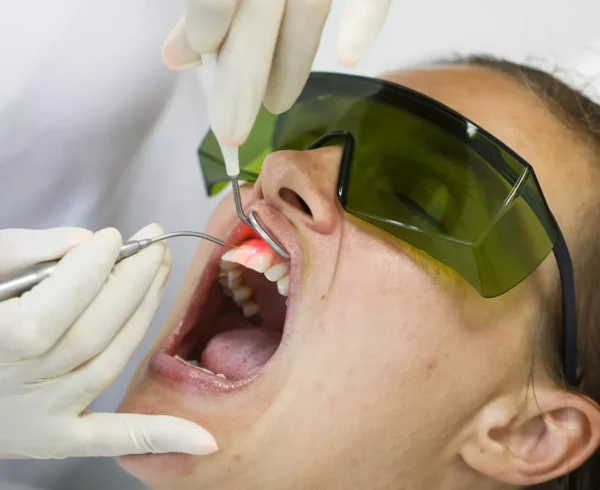
A dental laser utilises a thin, flexible optical fibre that can easily slide into the deepest periodontal pockets without the need to cut or pull back the gum tissue. This allows the light energy to reach areas that traditional rigid metal instruments might struggle to access comfortably.
Targeted destruction of bacteria
Different tissues absorb light energy at different wavelengths. The specific lasers used in periodontal care are adjusted to target the pigmented bacteria responsible for gum disease and the diseased, inflamed lining of the pocket, while leaving the surrounding healthy gum tissue, bone, and tooth structure intact.
The intense, focused light energy disrupts the cell walls of the bacteria, effectively sterilising the pocket on a microscopic level. This thorough reduction of the bacterial load is a key factor in breaking the cycle of reinfection.
Supporting the natural healing response
Beyond removing bacteria, the energy delivered by the laser has a biostimulatory effect on the surrounding tissues. It helps seal local blood vessels and nerve endings, which often results in less bleeding and reduced discomfort immediately after the procedure. By creating a thoroughly clean, sterile environment, the laser allows the gum tissue a better opportunity to reattach to the clean root surface of the tooth, effectively shrinking the pocket depth over time.
A cooperative approach to keeping gum disease away
While laser technology provides a highly effective way to clear out deep-seated infections, it is not a standalone cure. Managing gum disease successfully requires a combination of modern clinical treatment and consistent daily care at home.
The importance of supportive periodontal therapy
Because bacteria are constantly entering the mouth, individuals who are prone to gum disease need regular monitoring. Routine maintenance appointments allow your dental team to check pocket depths, remove any early plaque buildup, and address any localised areas of inflammation before they develop into a full recurrence.
Your daily role at home
The work done in the dental chair lays the foundation, but your daily routine maintains it. This includes:
- Brushing twice daily for at least two minutes using a fluoride toothpaste.
- Utilising interdental brushes or floss daily to clean the spaces between the teeth where the brush cannot reach.
- Attending recommended hygiene appointments to keep biofilm levels under control.
Discussing your options locally
If you are tired of dealing with bleeding gums and recurring discomfort, it may be beneficial to seek an individual assessment to see if laser therapy could support your treatment plan. For residents exploring options across Hampshire and Dorset, visiting a local clinic can provide clarity.
The Ackerman Clinic, a private practice offering dental services in New Milton, provides comprehensive periodontal evaluations. A qualified dentist in New Milton can examine your gum health, measure your pocket depths, and discuss whether incorporating laser therapy alongside routine hygiene care could help you manage your condition more effectively.
Gum disease and laser therapy FAQs
Is dental laser treatment for gum disease painful?
Most patients report that laser therapy is quite comfortable compared to traditional deep scraping. Because the laser is highly targeted and seals nerve endings as it works, there is usually minimal discomfort. A local anaesthetic can be used if your gums are particularly sensitive or if the pockets are very deep.
How many sessions of laser therapy are usually required?
The number of sessions depends entirely on the severity of the gum disease and how many areas of the mouth are affected. Some localised cases can be managed in one or two visits, while more widespread, advanced periodontitis may require a series of appointments spread over a few weeks to treat different sections of the mouth thoroughly.
Will my insurance cover laser periodontal treatment?
Coverage varies widely between different dental insurance providers and specific policies. Some private health policies contribute toward the cost of periodontal treatments generally, while others may have specific clauses regarding newer technologies. It is always best to contact your provider directly for a breakdown of your benefits before starting care.
Can gum disease be completely cured with a laser?
In dentistry, chronic gum disease is generally considered a condition to be managed rather than completely cured. Once bone loss has occurred around a tooth, that bone does not typically grow back naturally. However, laser therapy is highly effective at stabilising the condition, stopping further bone loss, and bringing the gums back to a manageable, healthy state.
How soon can I return to normal activities after treatment?
Most people can return to their normal daily routine, including going back to work, immediately after the appointment. It is usually recommended to avoid very spicy, crunchy, or hot foods for the first 24 to 48 hours to give the treated gum tissue a chance to settle down without irritation.
Break the cycle with the right treatment. Explore periodontal laser therapy or our gum disease treatment options.
Related reading: How to Prevent Tooth Sensitivity During Colder Months and Bleeding gums: why you should never ignore this warning sign.