Wisdom teeth are the final set of molars to emerge, typically appearing in the late teens or early twenties. For some, these teeth arrive without a hitch, but for many others, they can cause a range of complications that require professional intervention. If you are starting to feel a dull ache in the back of your jaw or noticing strange shifts in your smile, you might be wondering if it is time to consider an extraction.
At The Ackerman Clinic, we understand that the prospect of oral surgery can be daunting. However, ignoring the warning signs often leads to more complex issues down the line. Whether you are searching for a Dentist in New Milton to address sudden pain or simply want to understand the health of your third molars, being informed is the first step toward a pain free future.
Understanding the “Why” Behind Wisdom Tooth Issues
Evolutionarily speaking, our ancestors had larger jaws to accommodate these extra molars, which helped them chew a diet of tough roots and raw meats. As our diets softened and our jaw sizes decreased, many of us no longer have sufficient space for these final four teeth.
When a wisdom tooth cannot emerge properly because it is blocked by another tooth or bone, it is referred to as “impacted.” Impacted teeth can grow at various angles, sometimes even horizontally, causing significant disruption to your oral health. Visiting a Dentist in New Milton for a regular check up allows for early detection of these positioning issues through digital X-rays.
5 Signs You Need Wisdom Tooth Removal
If your wisdom teeth are struggling to find their place, your body will usually let you know. Here are the five most common indicators that it is time to book a consultation at The Ackerman Clinic.
1. Persistent Pain and Sensitivity
The most obvious sign is discomfort. This can manifest as a throbbing ache at the back of the jaw or a sharp pain when biting down. Sometimes the pain isn’t confined to the tooth itself; it can radiate to the ear or cause persistent headaches. If you find yourself reaching for painkillers more often than usual, it is time to see a Dentist in New Milton.
2. Swollen or Bleeding Gums
As a wisdom tooth tries to break through the surface, the surrounding gum tissue can become inflamed. This condition, known as pericoronitis, occurs when bacteria and food particles get trapped under a flap of gum tissue. You might notice redness, swelling, or gums that bleed easily when you brush.
3. Difficulty Opening Your Mouth or Jaw Stiffness
Inflammation caused by impacted wisdom teeth can affect the muscles used for chewing. If your jaw feels tight, stiff, or you find it difficult to open your mouth fully, it may be due to the pressure being exerted by your third molars.
4. Unpleasant Taste or Bad Breath
When a wisdom tooth is partially erupted, it creates a small pocket that is incredibly difficult to clean with standard brushing and flossing. Bacteria thrive in these areas, leading to persistent bad breath or a foul taste in the mouth that doesn’t go away with mouthwash. This is often a sign of a localized infection.
5. Overcrowding and Shifting Teeth
If you have previously undergone orthodontic treatment to straighten your teeth, wisdom teeth can pose a threat to those results. As they push against existing molars, they can cause your teeth to shift, overlap, or become crooked. At The Ackerman Clinic, we often monitor wisdom teeth specifically to protect the alignment of your smile.
The Extraction Process: What to Expect
Many patients delay treatment because they fear the procedure. However, modern techniques have made wisdom tooth removal a routine and manageable experience.
The Consultation and X-rays
Your journey begins with a thorough examination. A Dentist in New Milton will take panoramic X-rays to see the exact position of the roots and their proximity to nerves. This allows for a precise surgical plan tailored to your anatomy.
The Procedure
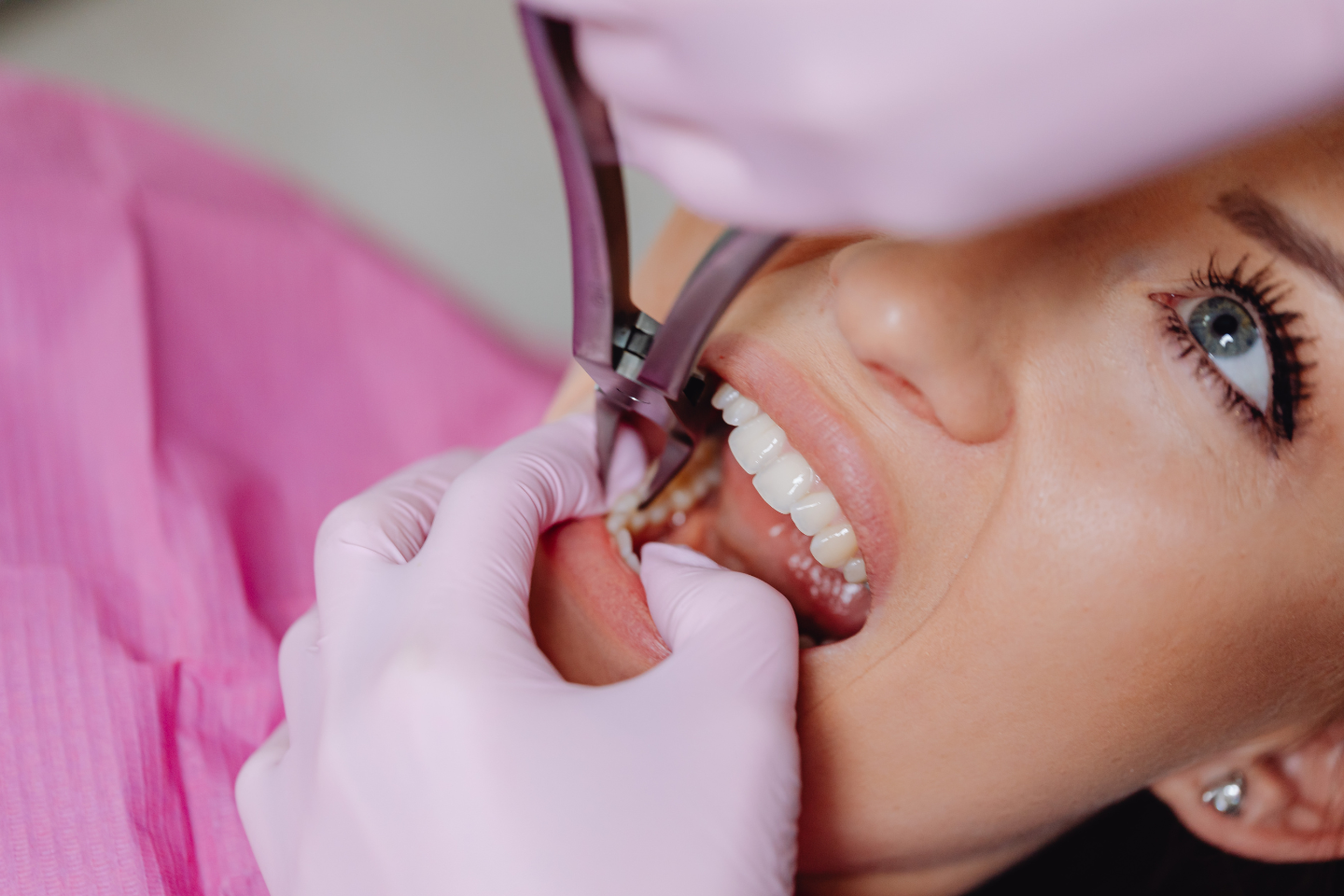
Depending on the complexity of the extraction, the procedure is typically performed under local anaesthetic. This numbs the area completely so you won’t feel any pain during the process. For more complex cases or for particularly nervous patients, other sedation options may be discussed at The Ackerman Clinic to ensure you remain relaxed throughout.
Post-Operative Care
Recovery usually takes a few days. You will be given detailed instructions on how to care for the area, which typically include:
- Biting on a gauze pad to help a blood clot form.
- Avoiding straws, as the suction can dislodge the clot.
- Eating soft foods like soup, yoghurt, and mashed potatoes.
- Keeping the area clean with gentle salt water rinses after the first 24 hours.
Potential Complications of Delaying Treatment
Choosing to “wait and see” with problematic wisdom teeth can lead to several avoidable health issues.
Dental Cysts and Tumours
In rare cases, the sac that surrounds the wisdom tooth can fill with fluid, forming a cyst. If left untreated, these can damage the jawbone, teeth, and nerves.
Damage to Adjacent Teeth
An impacted wisdom tooth doesn’t just hurt; it can actually “eat away” at the roots of the healthy molar next to it or cause cavities in areas that are impossible to reach with a toothbrush.
Sinus Issues
The upper wisdom teeth are located very close to the sinuses. In some instances, the growth of these teeth can put pressure on the sinus cavities, leading to sinus pain, pressure, and even congestion.
Frequently Asked Questions (FAQs)
Q: Is wisdom tooth removal always necessary?
A: No, not everyone needs their wisdom teeth removed. If they are healthy, fully emerged, positioned correctly, and can be cleaned easily, they can stay. However, at The Ackerman Clinic, we recommend regular monitoring as problems can develop later in life.
Q: How long does the recovery take?
A: Most patients feel back to normal within three to five days, though full healing of the gum tissue and bone can take several weeks. Most people take a day or two off work or school to rest immediately following the procedure.
Q: What is a “dry socket”?
A: A dry socket occurs if the blood clot that forms in the extraction site is dislodged before the wound has healed. This exposes the underlying bone and nerves, which can be quite painful. Following the aftercare advice from your Dentist in New Milton is the best way to prevent this.
Q: At what age should I get my wisdom teeth checked?
A: It is ideal to have an assessment between the ages of 16 and 19. At this stage, the roots are not fully formed and the bone is less dense, which often makes for an easier extraction and a faster recovery.
Q: Will I be awake during the removal?
A: Yes, most extractions are done while the patient is awake but completely numbed with local anaesthetic. You will feel some pressure but no pain. If you are anxious, please let the team at The Ackerman Clinic know so we can accommodate your needs.
Schedule Your Consultation at The Ackerman Clinic
Your oral health is an essential part of your overall well-being. If you are experiencing any of the signs mentioned above, or if it has been a while since your last dental check up, we encourage you to reach out. Our team at The Ackerman Clinic is dedicated to providing a supportive and professional environment for all our patients.
Whether you need a routine cleaning or a complex extraction, a Dentist in New Milton is here to guide you through every step of the process. Don’t let dental discomfort interfere with your quality of life. Contact The Ackerman Clinic today to book an appointment with a trusted Dentist in New Milton. We look forward to helping you maintain a healthy, confident smile at The Ackerman Clinic.
Recognise these signs? Learn more about wisdom teeth removal or see our wisdom teeth removal costs.
Related reading: My wisdom tooth is coming through sideways and Bleeding gums: why you should never ignore this warning sign.